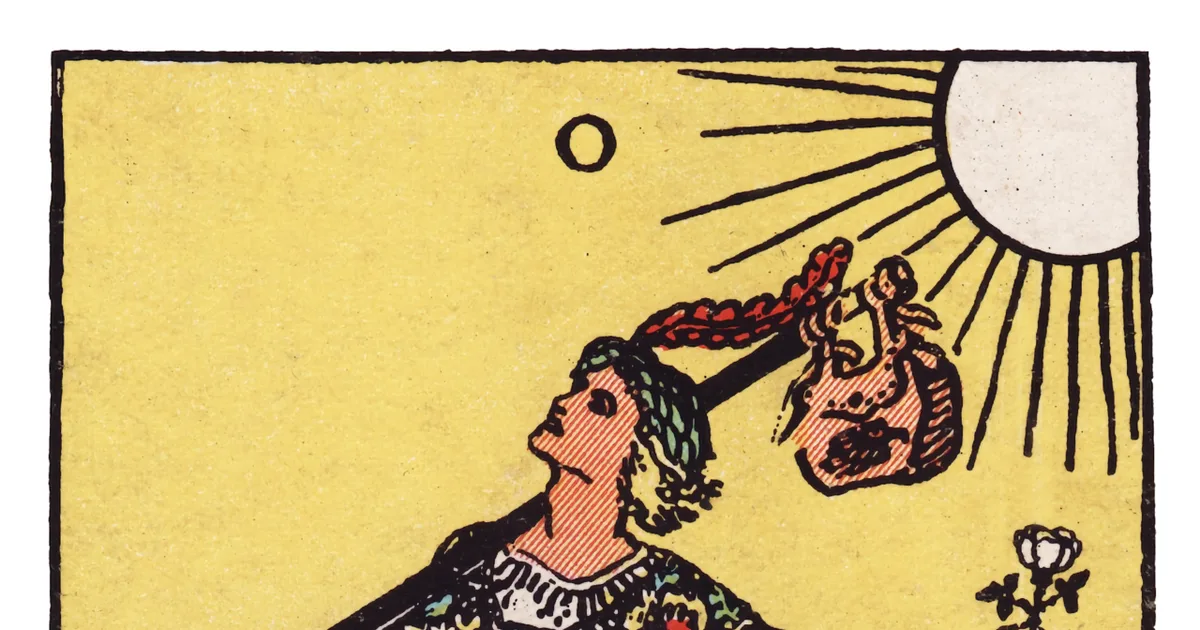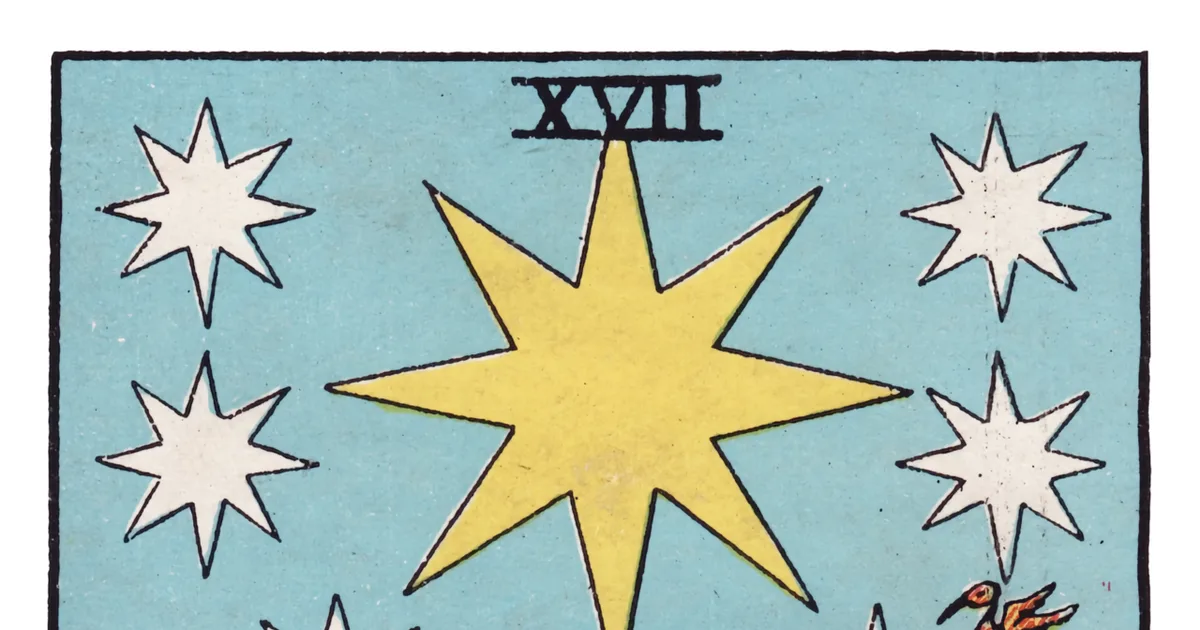

Tarot is a deck of 78 cards, each tied to a recognizable life theme: beginnings, conflict, love, endings, renewal. Reading tarot means pulling one or more cards and using their traditional meanings as a structured way to think through a situation you're already carrying around, not a way to predict the future with certainty.
It's worth being honest about what this can and can't do for you. Tarot won't tell you with certainty whether a relationship will work out, whether you'll get the job, or what day something will happen. What it's actually good at is slower and more useful than that: it gives you a specific, concrete angle to think from when you're stuck in vague worry, and it's surprisingly effective at naming something you already half-knew but hadn't put into words yet. The accuracy people feel from a good reading usually comes from that recognition, not from literal fortune-telling.
Where to start
This guide covers the Major Arcana first, the 22 cards (numbered 0 through 21) that represent the big, archetypal themes: major transitions, core relationships, the kind of life events that reshape things rather than just nudge them. Each card page explains the upright and reversed meaning, what it tends to look like in love and at work, and what it's asking of you on a deeper level, written in plain language rather than vague mystical phrasing.
If you're not sure where to start, there are two good approaches. One is to pick the card that's already on your mind, maybe you've heard about The Tower or Death and want to understand what they actually mean before assuming the worst. The other is to pull one at random: close your eyes, scroll, and click. Either way works, because the point isn't finding the "correct" card, it's giving yourself a concrete lens to think through whatever's already on your mind.
The Minor Arcana, the 56 remaining cards split into four suits covering more day-to-day situations, will follow this Major Arcana collection. For now, start here, with the 22 cards that cover the big picture.